There will always be more things in a closed, than an open box

Richard Couzins
'There will always be more things in a closed, than an open box'
A series of video, sculpture and printed works
2013
various dimensions
Collezione Angela e Tonino Buono
© Cultural Documents
Exploiting links between sound, image, raw materials and production processes, Richard Couzins has chosen to make his works in a place where the rhythms of labour become material production and products are forged from an abundance of energy, process and spontaneity. His works are full of parody, irony and tensions, veering between overstatement and understatement, with a heady overdose of metaphor and humour towards the overlooked in the everyday all around us.
The works in the series ‘There will always be more things in a closed, than an open box’ are developed from a filmed intervention in Scatolificio Stella, a cardboard box factory where Richard was artist in residence.
The resulting video and series of visual images are created from documentary photographic images combined with printed box structures.
A box is the simplest delineation of three dimensional space constructed by man and is emblematic of our transference into modernism, essential in the process of mechanisation, transport and packaging required to vanquish geographical distance.
A cardboard box can also have an ephemeral quality, like the disposable outer layers of something. Once opened, it’s difficult to get stuff back into its box, and like words that can’t be taken back, time takes its toll and cannot be reversed. If thought of in a simple way, packaging could be considered in the same way we consider images on a screen – present, beyond our touch and always proceeding in a forward motion.
In the video we see a factory; cardboard is processed and formed into boxes. In a change to how we normally encounter the box, we don’t see an assembled box, rather, we see it come to life on the factory floor; as an empty container the cardboard box moves around, either on hidden wheels or carried by someone’s body; different kinds of movement, rough and smooth, frenzied, all framed by the architecture which the box confronts and is contained by. By confounding our expectations, Richard suggests that the box might be something that isn’t just to be thrown away and which also affirms human production, and not necessarily inferior to what it must, inevitably go on to contain.
“What is inside a box, and what is inside a cardboard box factory? The imagination is fired by what is hidden from view. InThe Poetics of SpaceGaston Bachelard wrote, ‘There will always be more things in a closed than an open box’ and this becomes the title for the video work made in the Scatolificio Stella.
The factory is itself a box, and the cube runs through history from the earliest rectilinear architectural structures to the grids of modernism. The factory is the size of a film studio and filled with the material possibility of an artist’s studio where the freshness of newly minted cardboard shapes are pushed into the noise and clamor of production. The mysteries of manufacturing processes have often been revealed by films that open out the secrets of the factory as documentary and spectacle, and this is the starting point for the artist. The factory environment also triggers many connections with moving image culture from Charlie Chaplin’s slapstick interventions on a factory production line in Modern Times to the self-referential repetition of stop-frame animation.
How might we perceive the excess of sound in such a noisy space? Musical instruments can be classified by the processes of their sound making; such as scraping, blowing and striking (string, wind and percussion), and these reductions are plentiful in the environment of Scatolificio Stella with its industrial stapling, whistling hydraulic systems and the sound of cardboard scraping other cardboard, metal or the concrete floor. The actions of the artist foreground sounds that might fall into the category of noise, repurposing them as figure rather than ground, in the way proposed by Russolo in The Art of Noises.
In film the synchronisation of sound and image grounds realism but sound intersects with the visible in different ways, creating abundant streams of audiovisual information in the Scatolificio. As the work proceeds the sound of birdsong and passing traffic outside give way to the clattering thud of machinery within. In the film the real space of the factory is also a re-imagined space in which the artist both works alongside the employees and performs poetic interventions.” Richard Couzins December 2019
Commissioned by Cultural Documents
with funding and sponsorship from Cultural Documents, Ingegnere Antonio Buono, Venafro, Arts and Business Scotland, New Arts Sponsorship Grants and Scatolificio Stella
Connected Images
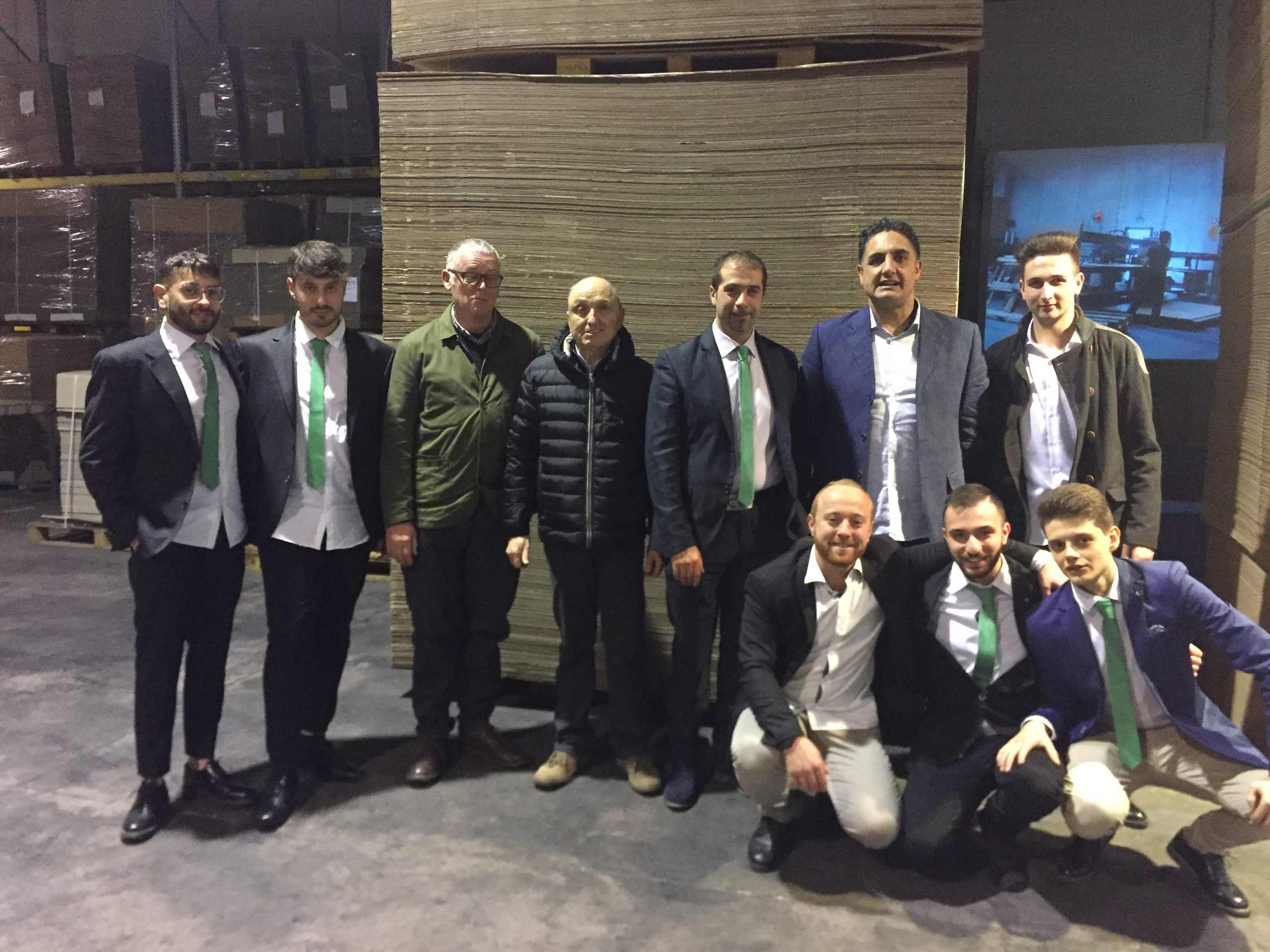
scatola in scatola: the collaborators with Richard Couzins 07.12.2019 @ Cultural Documents
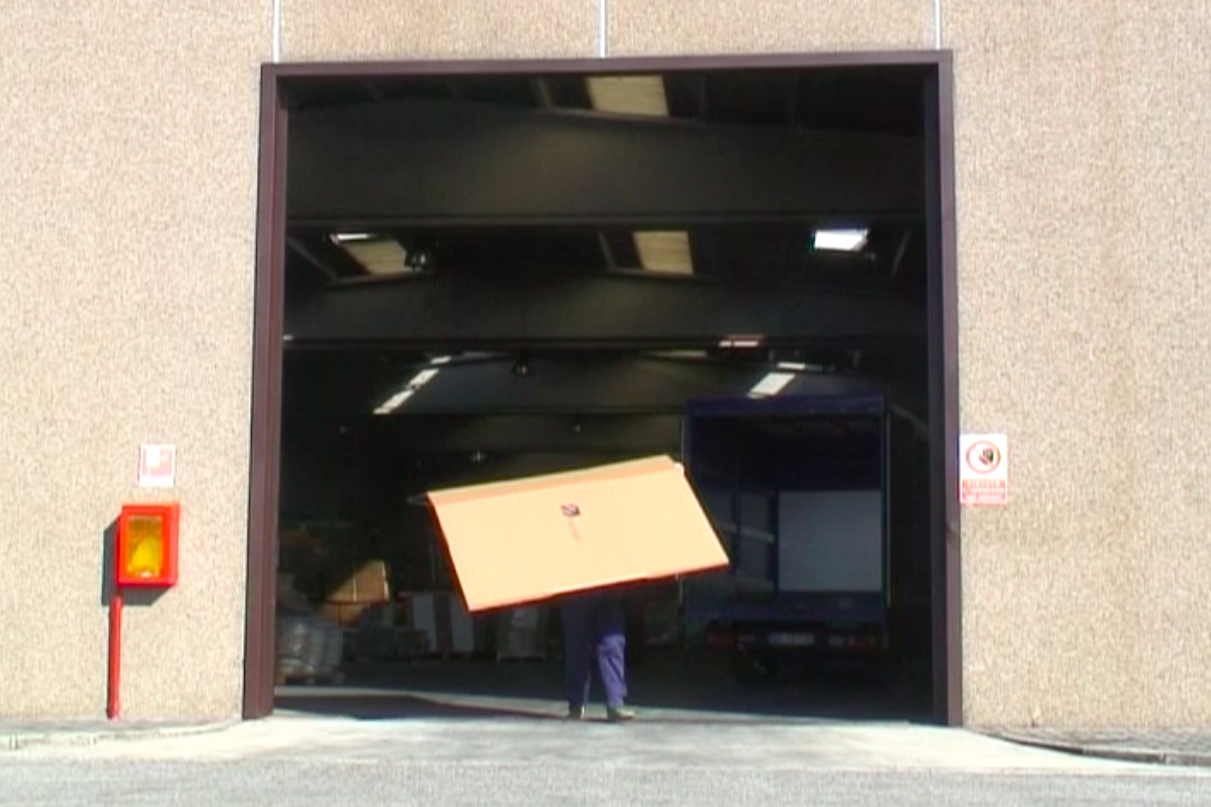
still image from 'There will always be more things in a closed than an open box' by Richard Couzins presented at scatola in scatola 07.12.2019 @ Cultural Documents
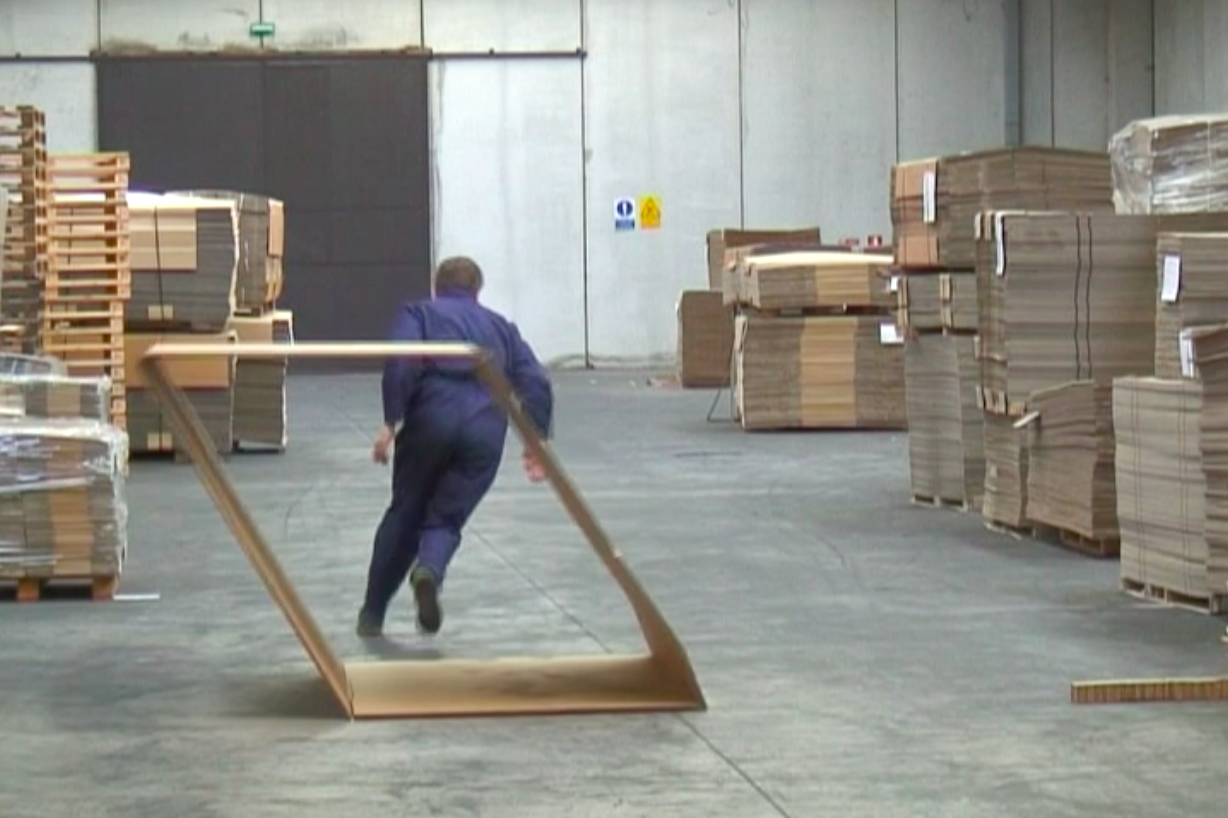
still image from 'There will always be more things in a closed than an open box' by Richard Couzins presented at scatola in scatola 07.12.2019 @ Cultural Documents
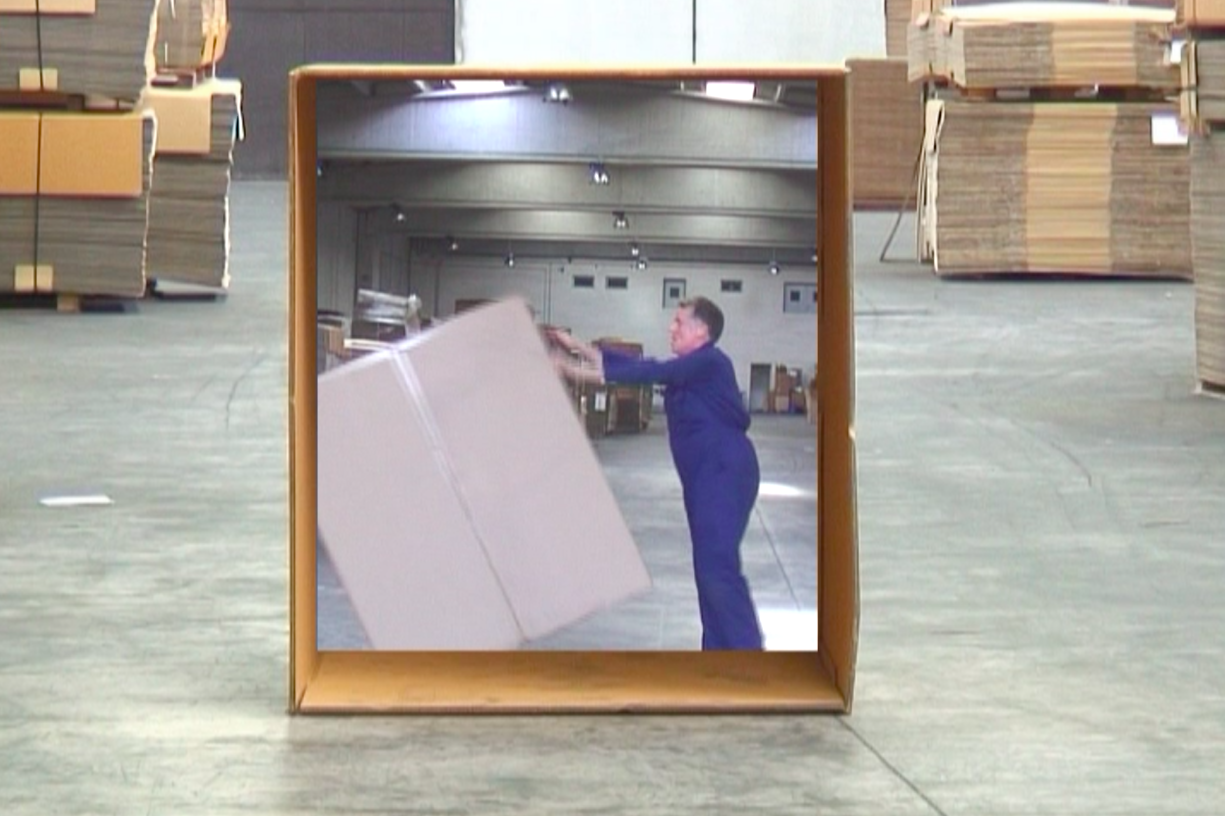
still image from 'There will always be more things in a closed than an open box' by Richard Couzins presented at scatola in scatola 07.12.2019 @ Cultural Documents
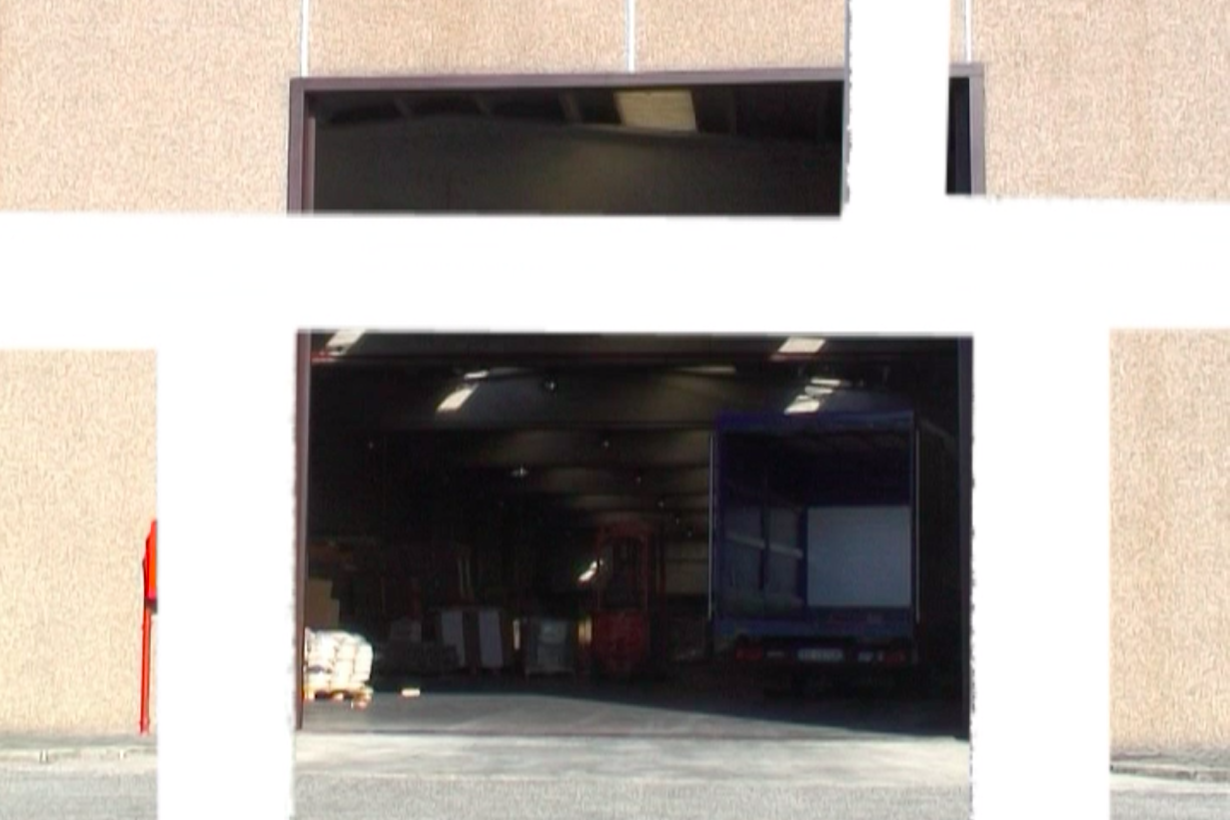
still image from 'There will always be more things in a closed than an open box' by Richard Couzins presented at scatola in scatola 07.12.2019 @ Cultural Documents
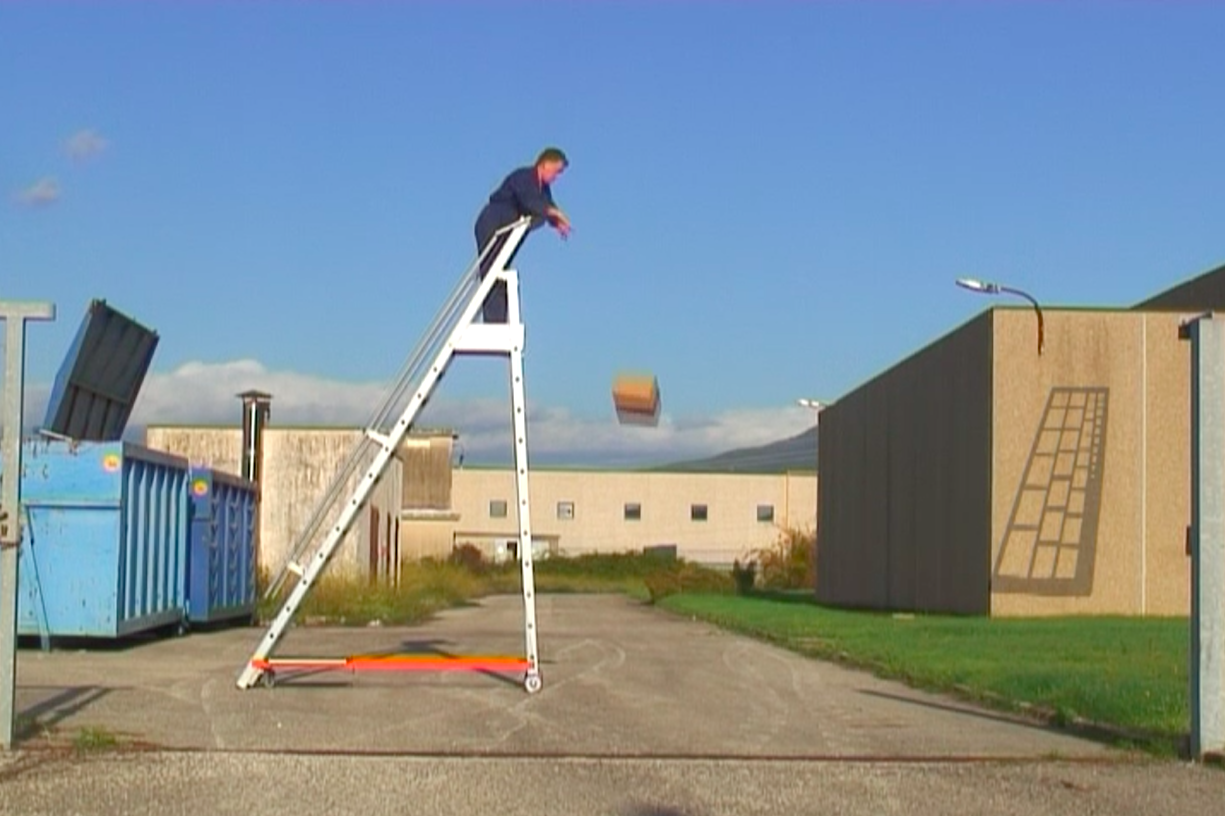
still image from 'There will always be more things in a closed than an open box' by Richard Couzins presented at scatola in scatola 07.12.2019 @ Cultural Documents
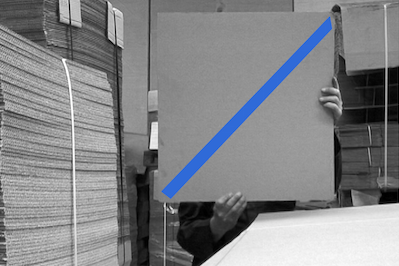
still image from 'There will always be more things in a closed than an open box' by Richard Couzins presented at scatola in scatola 07.12.2019 @ Cultural Documents
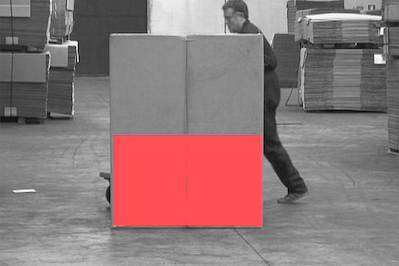
still image from 'There will always be more things in a closed than an open box' by Richard Couzins presented at scatola in scatola 07.12.2019 @ Cultural Documents
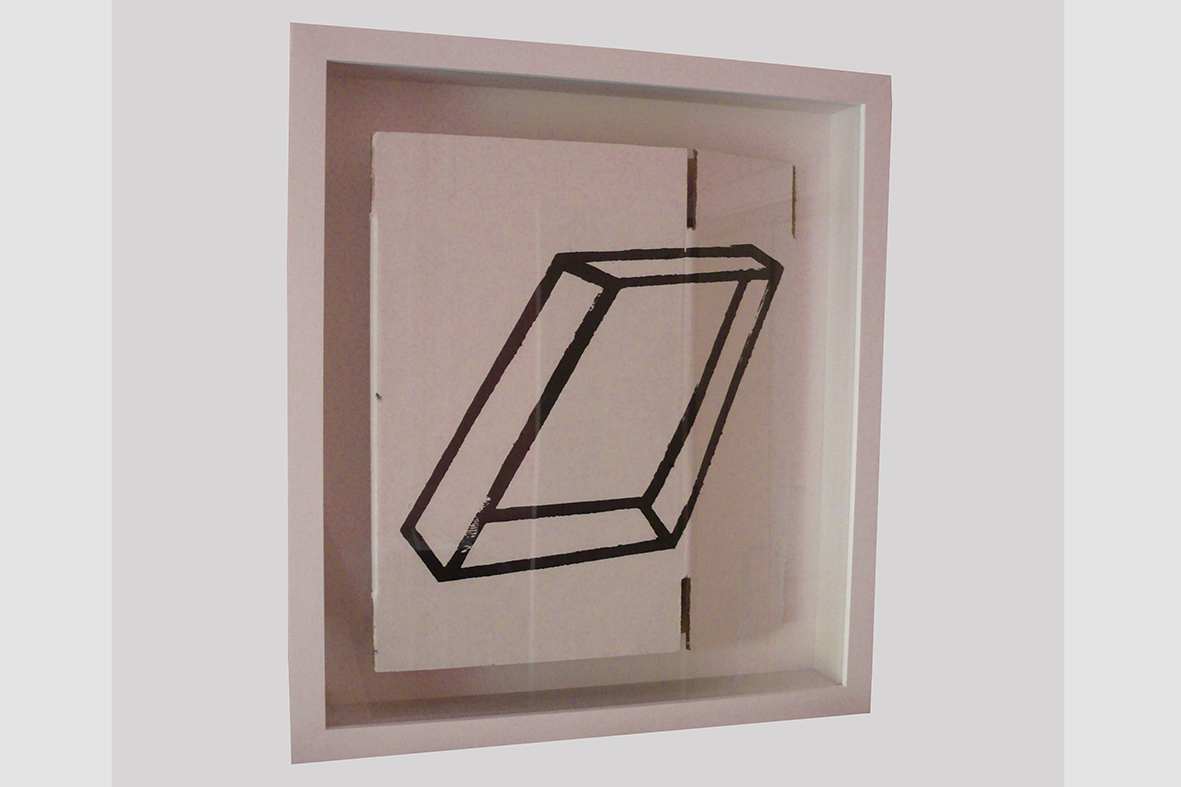
'There will always be more things in a closed than an open box' by Richard Couzins Collezione Angela e Tonino Buono @ Cultural Documents
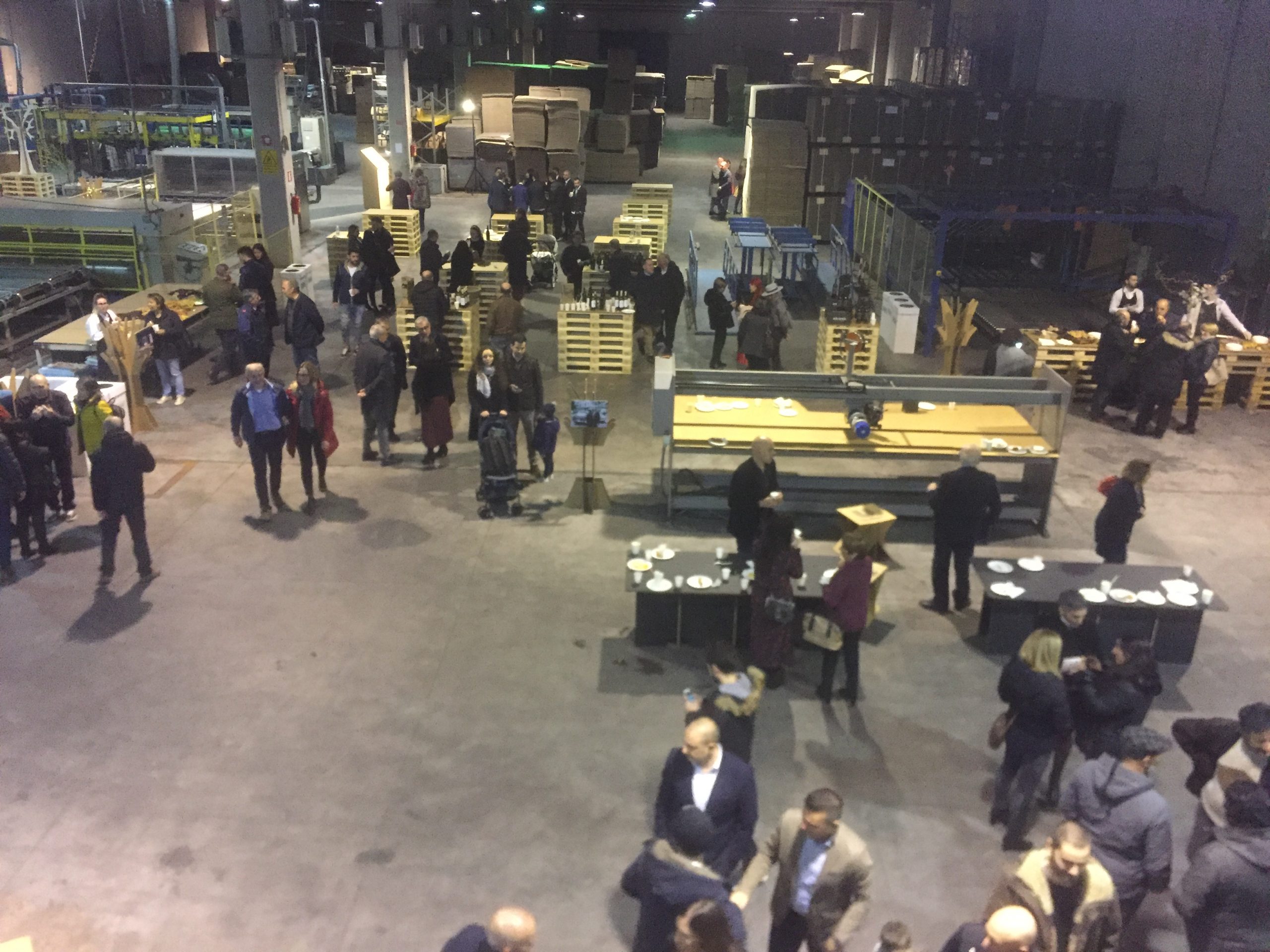
scatola in scatola: 07.12.2019 @ Cultural Documents


