Winterline – part 1
The works in the series ‘Winterline’ address land as location and site, where lives are lived and lost. They document and explore the impact of conflict upon territory, from its essence as soil, rock and vegetation to its utilisation in the strategies of warfare.
This project started out with the motivation of producing a range of visual images which would stimulate consideration of the effect of sustained conflict upon territory and terrain.
“The landscape of war recovers but it is laden with shadows. Is the same true of the local people who survived?
I believe that over time a map makes a material impression upon a location – just as a portrait becomes the lasting impression of a person who no longer exists, or an historical account becomes all that is known of an event.
The map provides the means for an imaginary journey – it is the conceptual and spiritual space beyond the factual data of the map. Maps tell a story with both drawings and words. The purpose of a map is to help us orient ourselves form one place to the next and so necessarily maps must relate intimately with reality, but they are not reality. They are abstract.
From 1943 to 1944, soldiers fought through heavy rain, mud and snow between the towns of Filignano and Venafro in the area of conflict known as the Winter Line; it was one of the hardest won and most costly campaigns of WWII.
My next phase of work in this series will follow the traces of conflict upon the displaced people, some are settled in the UK, some have finally returned to the Winter Line, and their descendants, all of whom experience the uncanny fusion and confusing of plural places and identities”. Elaine Shemilt, October 2019.
Elaine Shemilt researched the events leading up to, during and after the period of conflict from Autumn 1943 to Spring 1944 in central Italy. ‘Winterline’ now exists as a tool which can be used by people to think about and respond to the events of this historical period.
The research involved researching existing texts and images from the USA, UK, France and Italy, meeting people living in the area, explaining the purpose of the project to them and learning their knowledge of events and locations. Starting in 2011 and continuing to today, Elaine Shemilt and Deirdre MacKenna walked over the territory of research during all seasons of the year to visit the locations of events and see what impact these had upon the territory. These walks became a way of passing knowledge from one person to another with Shemilt and MacKenna initially absorbing specific and personal stories and gradually exchanging the knowledge they had gained from their research with the individuals they met on their walks. This collective knowledge was in turn passed to increasing numbers of people.
Thus, the period of formation of ‘Winterline’ was enabled by a collective effort, with sustained periods of research and exchange with the team at the Winterline Museum, Venafro, and members of Iap’ca Iap’ca, Filignano.
Shemilt’s works use processes of drawing, print, montage and collage to build up multi-layered images which evoke the nature of the mountain territory and explore the legacy of conflict upon territory. Until 1943, the terrain had been home to families living as individual workers of their land within clusters of houses, some big enough to be called villages; their locations and lifelines determined by the contours of the hillsides.
This same area became known the world as the Winter Line and the Gustav Line, location of one of the hardest won and most costly campaigns during WWII.
The conflict led to the abandonment of ancient highways, cultivated land and communities which today remain hidden from view, obscured by dense foliage, populated only by the detritus of hand to hand conflict; ammunition canisters, grenades, belts and buckles can still be found amongst machine-gun emplacements and burrow-like trenches etched deeply into the landscape.
Please see Winterline – works 2015 for more information on and other works in the ‘Winterline’ series.
Further research and information
The primary published sources provided by Cultural Documents used are
images of the territory made by Margaret Bourke-White in 1943 and 1944;
From the Volturno to the Winter Line (6 October-15 November 1943) and
Fifth Army at the Winter Line (15 November 1943-15 January 1944).
These are two publications in a series of fourteen studies of World War II operations originally published by the US War Department’s Historical Division and returned to print as part of the US Army’s commemoration of the fiftieth anniversary of that momentous clash of arms. The volumes were prepared by professional historians shortly after the events described, and provide a concise summary of some of the major campaigns and battles fought by American soldiers during WWII.
Key resources
Museo Winterline, Venafro, Italy
Iap’ca Iap’ca, Filignano, Italy
Bio
Starting her career in the 1970s, Elaine Shemilt is a pioneer of early feminist video and multi-media installation and fine art printmaking. Her works explore the contexts and legacies of military conflict and are informed by her experiences as a female artist responding to the Northern Ireland Conflict, the Falklands War and conflicts in central Italy during WWII. Amongst others, her works have been presented at The Imperial War Museum London, MACRO Roma, VAC LaTrobe, Bendito, Bibliothèque Nationale de France and the Showroom, London.
For more information on Elaine Shemilt’s practice please see her website
Works from ‘Winterline’ have been acquired for
Collezione Angela e Tonino Buono, Venafro
Collezione MiBACT, Italia
Commissioned by Cultural Documents
Funders, sponsors and supporters
Collezione Angela e Tonino Buono, Venafro
Cultural Documents
The Royal Society Of Edinburgh
University of Dundee
Arts and Business Scotland, New Arts Sponsorship Grants
Events
Museo Nazionale del Molise a Castello Pandone, Venafro. December 2014 to February 2016
Connected Images

Elaine Shemilt. Opening the Corridor. Etching on paper. Edition of eight. © Cultural Documents 2015

Elaine Shemilt. Cervaro. Etching on paper. Edition of eight. © Cultural Documents 2015

Elaine Shemilt. Advance IV Corps. Etching on paper. Edition of eight. © Cultural Documents 2015
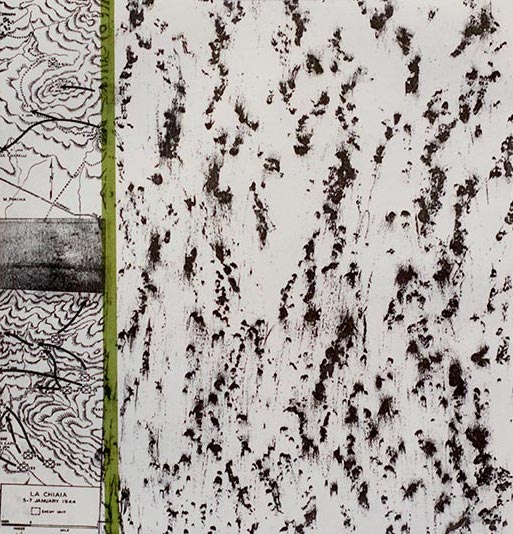
Elaine Shemilt. La Chiaia. Etching on paper. Edition of eight. © Cultural Documents 2015
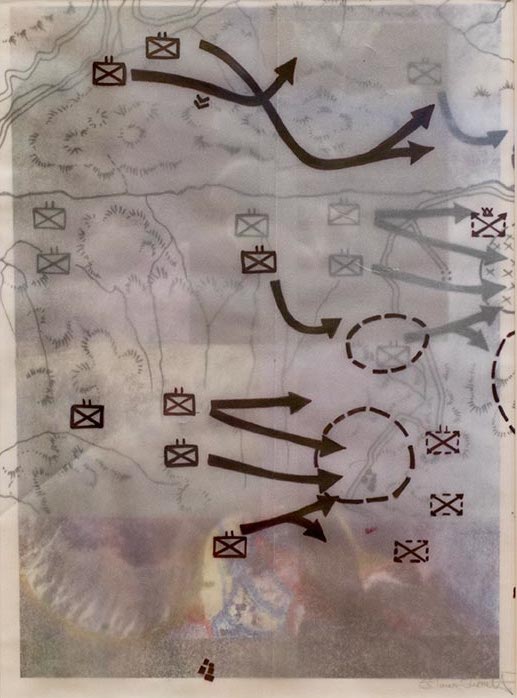
Elaine Shemilt. Sketch for Woodcut I. Collaged mixed media on paper. © Cultural Documents 2015

Elaine Shemilt. Sketch for Woodcut II. Collaged mixed media on paper. © Cultural Documents 2015

Elaine Shemilt September Oil and mixed media on card Collezione Angela e Tonino Buono © Cultural Documents 2015

Elaine Shemilt Cooking Pots 2 Mixed media drawing on paper © Cultural Documents 2014

Elaine Shemilt Cooking Pots 1 Mixed media drawing on paper © Cultural Documents 2014
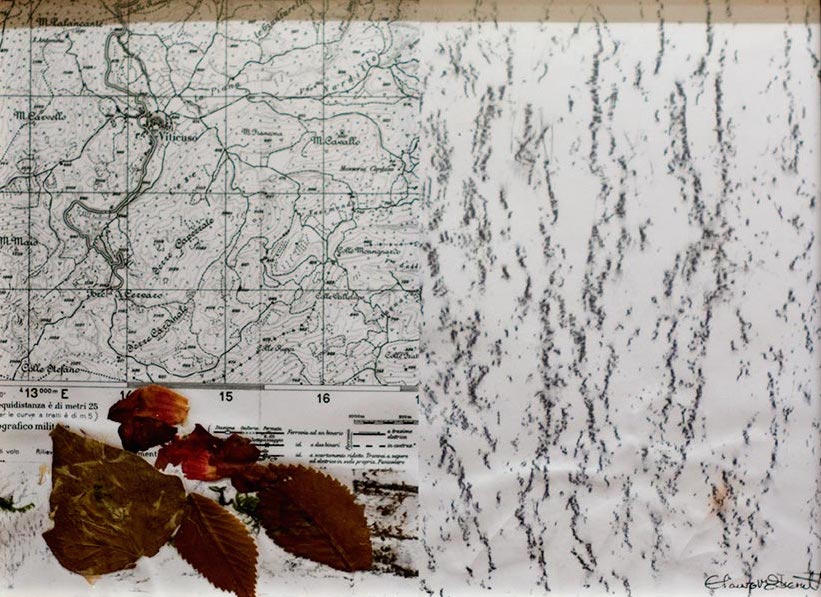
Elaine Shemilt Winterline Sketches 1 Collaged mixed media on paper © Cultural Documents 2014

Elaine Shemilt Winterline Sketches 2 Collaged mixed media on paper © Cultural Documents 2014

Elaine Shemilt Winterline Sketches 3 Collaged mixed media on paper © Cultural Documents 2014

Elaine Shemilt Winterline Sketches 4 Collaged mixed media on paper © Cultural Documents 2014

Elaine Shemilt Winterline Sketches 5 Collaged mixed media on paper © Cultural Documents 2014
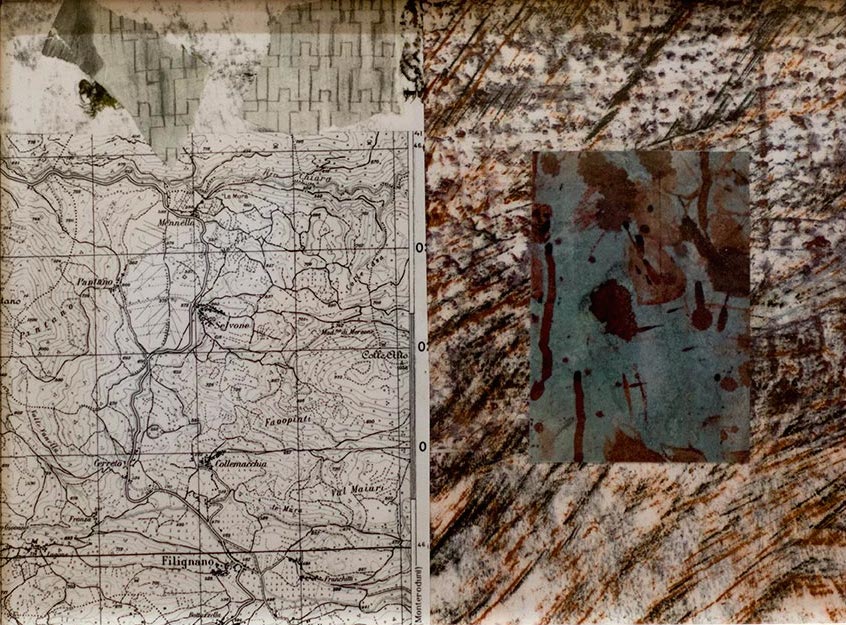
Elaine Shemilt Winterline Sketches 6 Collaged mixed media on paper © Cultural Documents 2014

Elaine Shemilt Winterline Sketches 7 Collaged mixed media on paper © Cultural Documents 2014

Elaine Shemilt Winterline Sketches 8 Collaged mixed media on paper © Cultural Documents 2014

Elaine Shemilt Winterline Sketches 9 Collaged mixed media on paper © Cultural Documents 2014
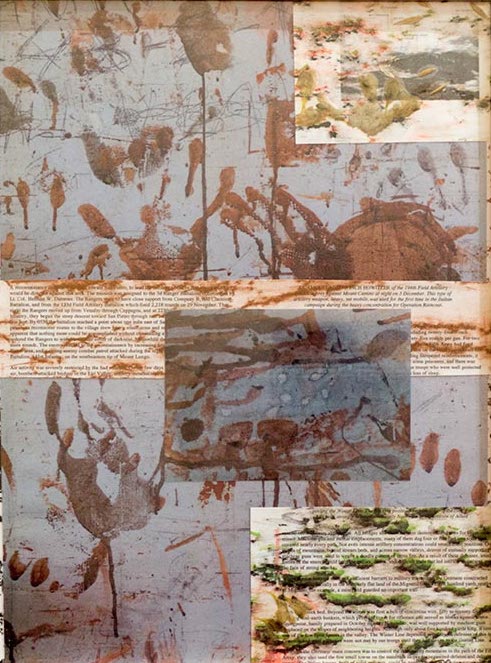
Elaine Shemilt Winterline Sketches 10 Collaged mixed media on paper © Cultural Documents 2014

Elaine Shemilt Winterline Sketches 11 Collaged mixed media on paper Collezione Ministero dei beni e delle attività culturali e del turismo, Italia © Cultural Documents 2014
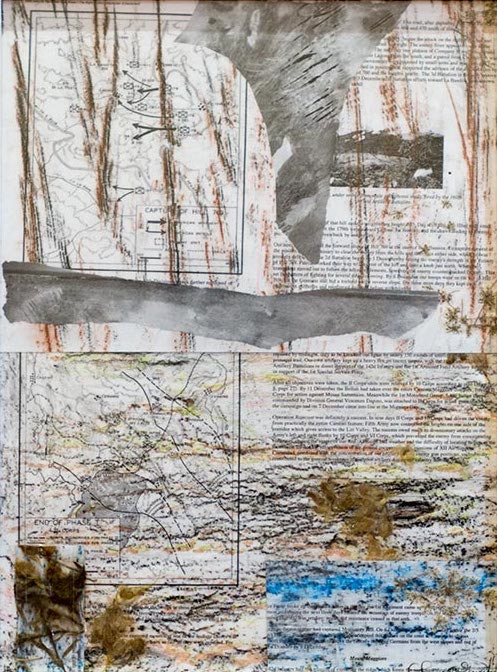
Elaine Shemilt Winterline Sketches 12 Collaged mixed media on paper © Cultural Documents 2014
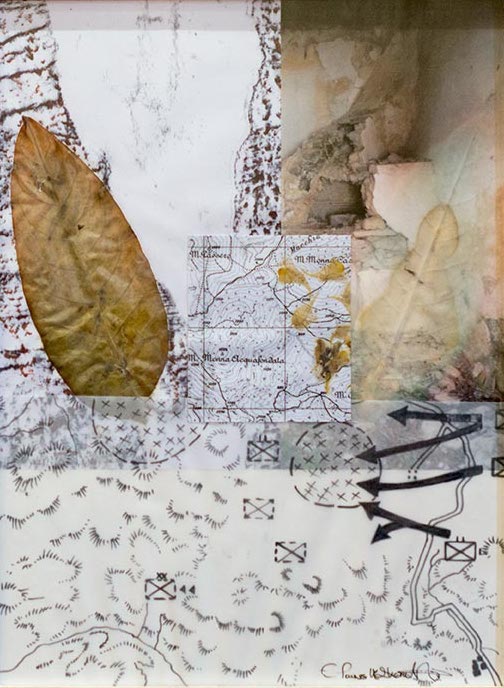
Elaine Shemilt Winterline Sketches 13 Collaged mixed media on paper © Cultural Documents 2014
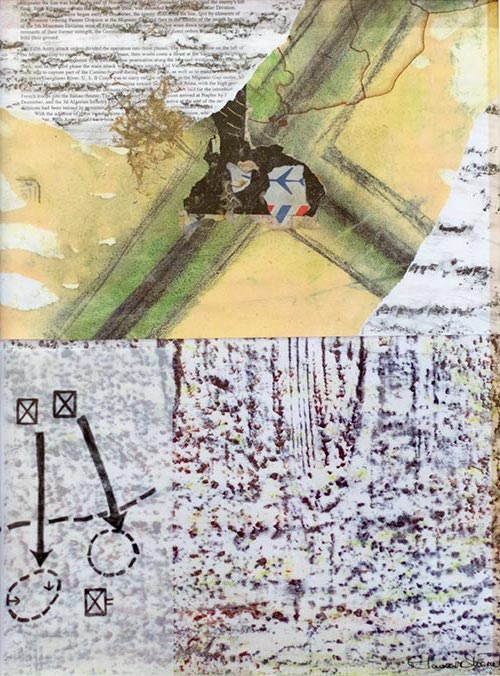
Elaine Shemilt Winterline Sketches 14 Collaged mixed media on paper Collezione Ministero dei beni e delle attività culturali e del turismo, Italia © Cultural Documents 2014
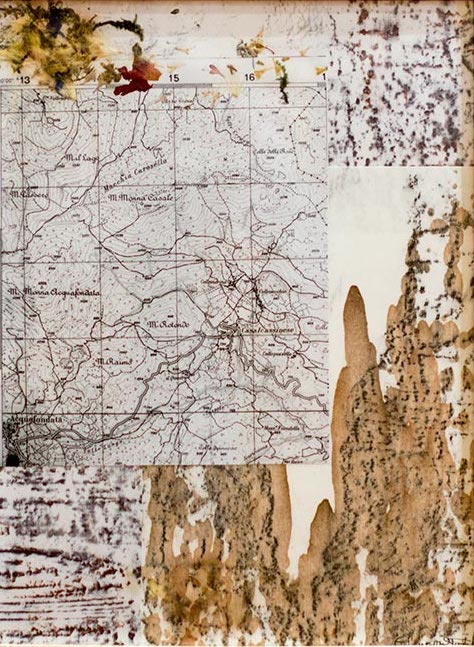
Elaine Shemilt Winterline Sketches 15 Collaged mixed media on paper. © Cultural Documents 2014
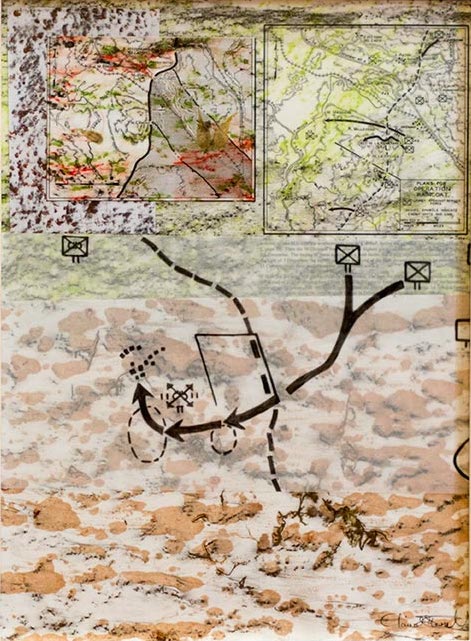
Elaine Shemilt Winterline Sketches 16 Collaged mixed media on paper Collezione Ministero dei beni e delle attività culturali e del turismo, Italia © Cultural Documents 2014
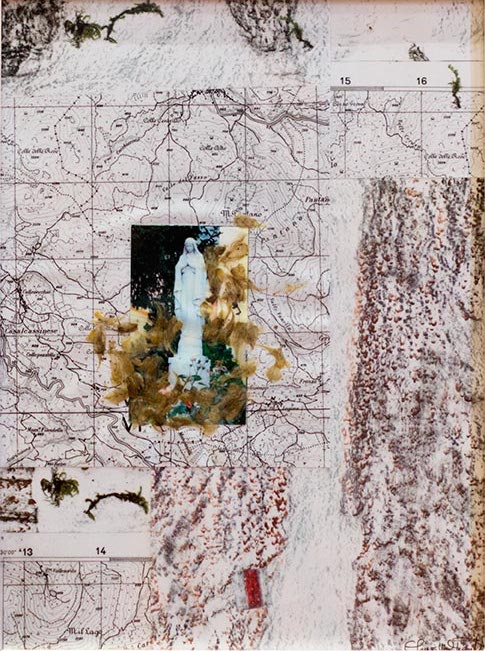
Elaine Shemilt Winterline Sketches 17 Collaged mixed media on paper © Cultural Documents 2014
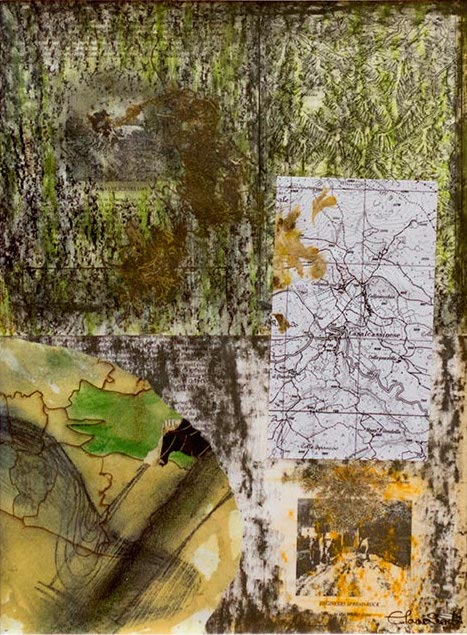
Elaine Shemilt Winterline Sketches 18 Collaged mixed media on paper. © Cultural Documents 2014
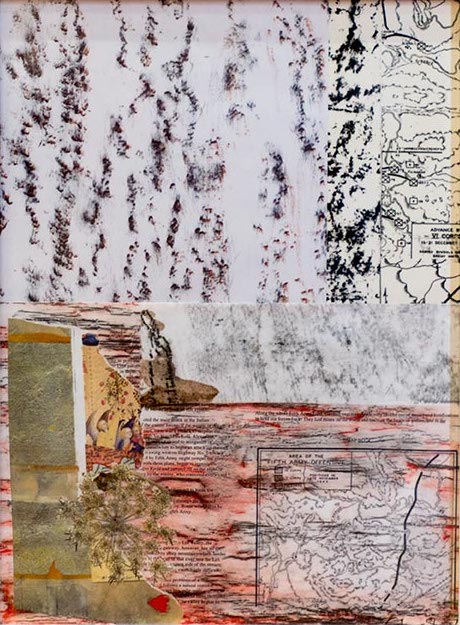
Elaine Shemilt Winterline Sketches 19 Collaged mixed media on paper Collezione Ministero dei beni e delle attività culturali e del turismo, Italia © Cultural Documents 2014

Elaine Shemilt Cardito to Cerasuolo, study 3 Oil and mixed media on card © Cultural Documents 2014

Elaine Shemilt Cardito to Cerasuolo, study 2 Oil and mixed media on card © Cultural Documents 2014
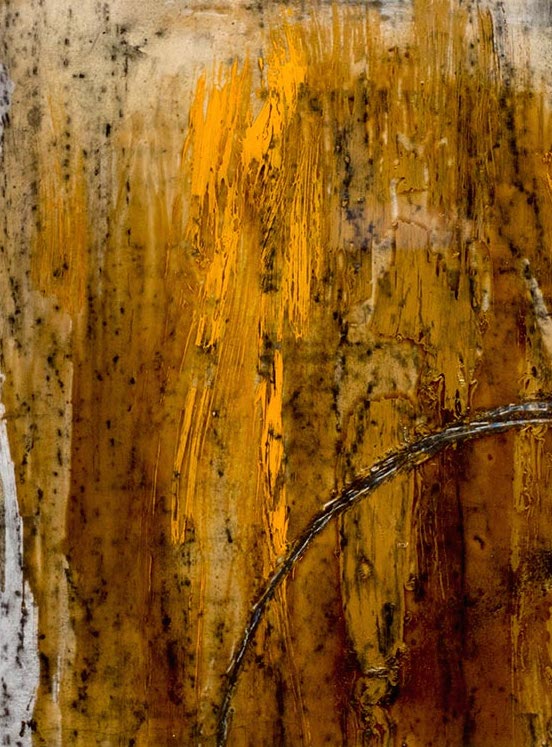
Elaine Shemilt Cardito to Cerasuolo, study 1 Oil and mixed media on card © Cultural Documents 2014

Elaine Shemilt Monte Marrone - Ascent Oil and mixed media on card © Cultural Documents 2014
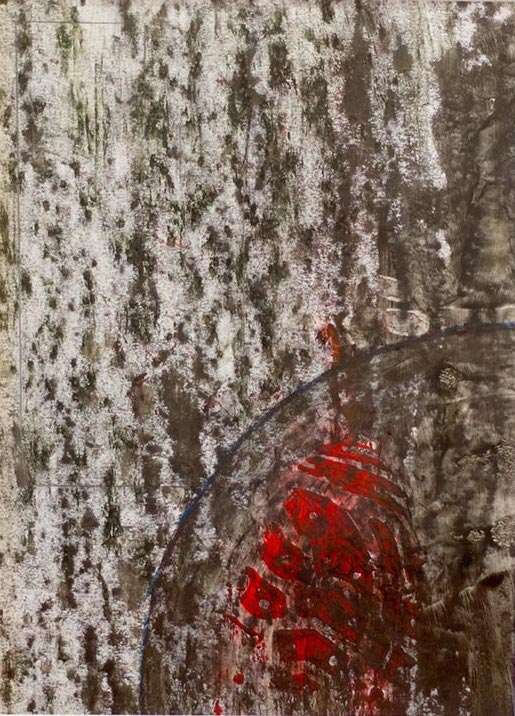
Elaine Shemilt Descent towards San Pietro Oil and mixed media on card © Cultural Documents 2014

Elaine Shemilt Manoeuvre I Woodcut, screenprint on paper Edition of 3 Collezione Ministero dei beni e delle attività culturali e del turismo, Italia © Cultural Documents 2014

Elaine Shemilt Manoeuvre II Woodcut, screenprint on paper Edition of 3 Collezione Ministero dei beni e delle attività culturali e del turismo, Italia © Cultural Documents 2014

Elaine Shemilt Manoeuvre III Woodcut, screenprint on paper Edition of 3 © Cultural Documents 2014

Elaine Shemilt Manoeuvre IV Woodcut, screenprint on paper Edition of 3 © Cultural Documents 2014


